


The 3 brains theory refers to the idea that we humans have three primary centres of intelligence or “brains” inside of us. We have the brain inside our head or cerebral brain, we have the heart brain , known as the cardiac brain, and lastly we have the gut brain, referred to as the enteric brain. In this feature we are going to break down each of the 3 brains theory and explore how we can use them to great effect.
1. The Head Brain (Cerebral Brain) of the 3 Brains Theory
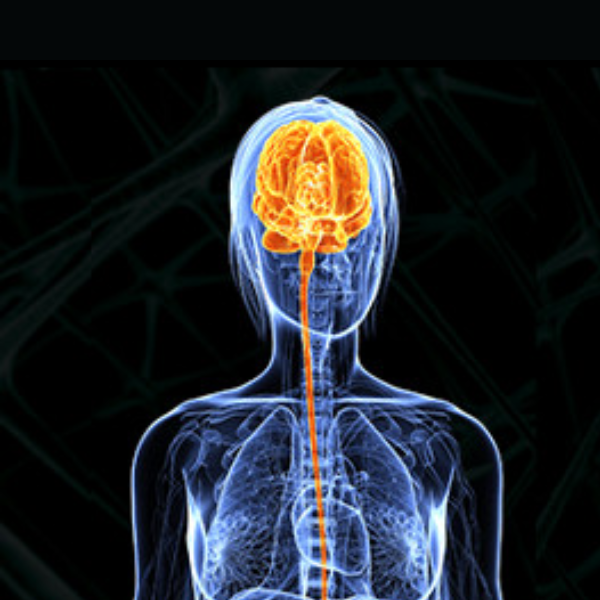
The human brain of the 3 brains theory, is divided into two hemispheres, the left hemisphere and the right hemisphere [1]. Each hemisphere is responsible for controlling and processing different functions, and they are connected by a bundle of nerve fibres called the corpus callosum [2], allowing them to communicate with each other. While both hemispheres work together for most tasks, they do have some specialised functions. Here’s an overview of what goes on in each head brain hemisphere:
Left Hemisphere:
- Language Processing: The left brain hemisphere is primarily associated with our language skills, including speech production, language comprehension, reading, and writing. Broca’s area and Wernicke’s area, two language centres, are typically located in the left hemisphere. Wernicke’s area controls the ability to understand the meaning of words, where Broca’s area, in conjunction with the motor cortex, controls our ability to speak those words. [3]
- Logical and Analytical Thinking: It is responsible for logical reasoning, critical thinking, and mathematical abilities. When solving problems, the left hemisphere is more inclined to use step-by-step, sequential processes.
- Fine Motor Skills (Right Side of the Body): The left hemisphere controls the muscles on the right side of the body, which means it is involved in fine motor skills, such as writing, using utensils, and intricate hand movements.
Right Hemisphere:
- Spatial Abilities: The right hemisphere is associated with spatial awareness, visual recognition, and understanding spatial relationships. It helps us perceive the world in a three-dimensional way.
- Emotional Processing: It plays a significant role in processing emotions and understanding non-verbal cues like facial expressions and tone of voice. The right hemisphere is crucial for recognising emotions in others and expressing emotions ourselves.
- Creative and Artistic Abilities: The right hemisphere is involved in creativity, artistic expression, and imagination. It helps us think outside the box, recognise patterns, and appreciate aesthetics.
- Gestalt Thinking: The right hemisphere tends to process information in a more holistic and intuitive manner. It looks at the overall picture rather than breaking things down into individual components.
It is important to note that the functions attributed to each hemisphere are not strictly exclusive. Both hemispheres work together and are interconnected to perform most tasks. Additionally, the distribution of functions can vary between individuals, and brain plasticity allows for the brain to adapt and reorganise based on learning and experiences.
To optimise brain function and promote overall well-being, it’s essential to engage in activities that stimulate both hemispheres. For instance, a well-rounded education that includes language, maths, arts, and physical activities can help support the development of various brain functions in both hemispheres.
2. The Heart Brain (Cardiac Brain) of the 3 Brains Theory
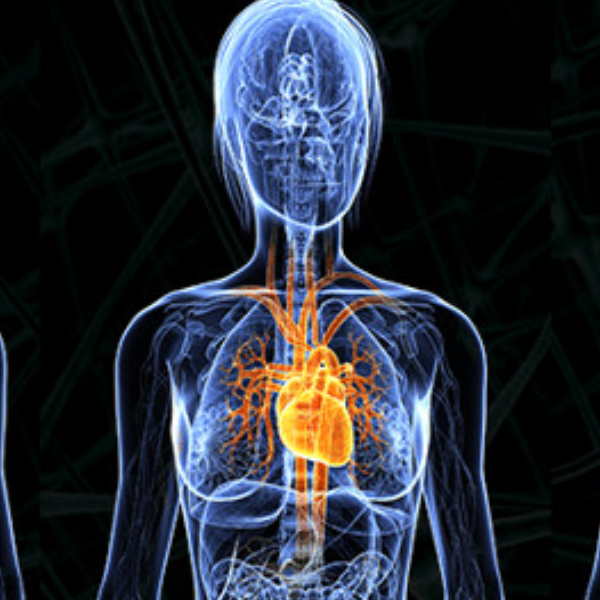
The “cardiac heart brain” of the 3 brains theory refers to the complex network of neurons located in the heart. This intricate system is often referred to as the “little brain in the heart” because it exhibits characteristics commonly associated with the brain, such as the ability to process information and make decisions independently of the cranial brain (the brain in the head).
Research has shown that the heart communicates to the brain in four major ways: neurologically (through the transmission of nerve impulses), biochemically (via hormones and neurotransmitters), biophysically (through pressure waves) and energetically (through electromagnetic field interactions). [4]
Anatomy of the Cardiac Heart Brain: The cardiac heart brain consists of a dense network of neurons, neurotransmitters, and support cells (similar to those found in the cranial brain). This network forms a communication system within the heart, allowing it to function both as a pump for blood circulation and as an information processing centre.
Functional Autonomy: One of the most fascinating aspects of the cardiac heart brain is its functional autonomy. While the heart receives signals and commands from the central nervous system, it can also operate independently. The heart has its own intrinsic nervous system, known as the “intrinsic cardiac nervous system” or “heart-brain,” which allows it to initiate impulses and make decisions without direct input from the cranial brain.
Communication with the Cranial Brain: The cardiac heart brain is continuously sending signals to the cranial brain through afferent nerve pathways. These signals contain information related to the heart’s physical condition, emotional state, and stress levels. This constant bidirectional communication between the heart and brain forms the basis of the heart-brain connection.
Role in Emotional Processing: The cardiac heart brain is intimately involved in emotional processing. Research suggests that the heart can influence emotions, and it can experience and express emotions independently of the cranial brain. The experience of emotions like love, fear, joy, and sadness can trigger specific patterns of heart rate variability and hormonal responses.
Intuitive Decision-Making: The cardiac heart brain is also believed to play a role in intuitive decision-making. Some studies have shown that individuals who are more in tune with their heart’s signals and emotions may use this information to guide their choices and decisions, especially in situations where the traditional cognitive approach may be insufficient.
Heart-Brain Coherence: Heart-brain coherence is a state where there is harmonious communication and synchronisation between the heart and the brain. This state has been associated with improved cognitive performance, emotional regulation, and overall well-being. Practices such as mindfulness, meditation, and biofeedback techniques can help individuals achieve heart-brain coherence and promote health and resilience.
Implications for Well-Being: Understanding the significance of the cardiac heart brain connection, can have profound implications for overall well-being. By paying attention to the signals from the heart and fostering emotional intelligence, individuals can make more balanced decisions and develop stronger connections with others. Nurturing positive emotions and managing stress can lead to a healthier heart-brain connection and positively impact physical and emotional health.
It’s also important to note that the research on the cardiac heart brain is still evolving, and the full extent of its functions and capabilities is an active area of ongoing research. However, the growing body of evidence indicates that the heart plays a more intricate and influential role in our lives than previously believed and understood, and it complements the functions of the cranial brain in shaping our experiences and behaviour.
3. The Gut Brain (Enteric Brain) of the 3 Brains Theory
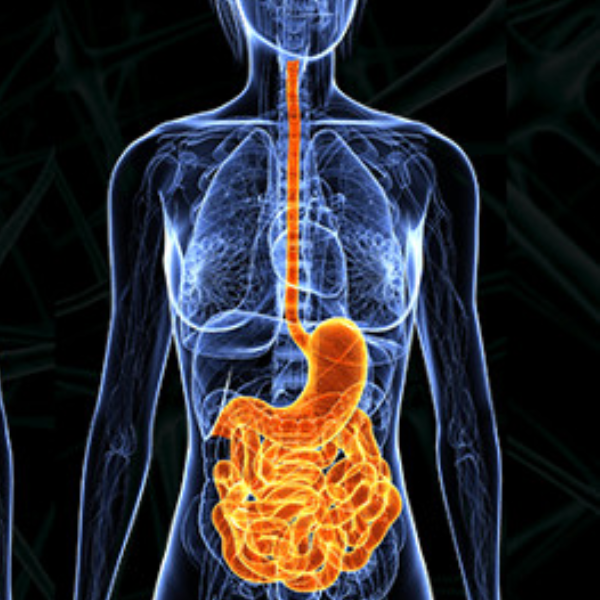
The “gut brain” of the 3 brains theory refers to the complex network of neurons and neurotransmitters found in the gastrointestinal system [5] often referred to as the “second brain” or the enteric nervous system (ENS). It is a highly sophisticated and independent part of the nervous system that plays a crucial role in various bodily functions and has a significant impact on our overall well-being.
Anatomy of the Gut Brain (Enteric Nervous System – ENS): The gut brain consists of millions of neurons distributed throughout the walls of the oesophagus, stomach, small intestine, and colon. It is so extensive and intricate that it contains more neurons than the spinal cord. The gut brain can operate independently of the cranial brain (brain in the head) and the central nervous system, although they continuously communicate through the vagus nerve and other neural pathways.
Functions and Importance of the Gut Brain:
- Digestion and Gut Motility: The gut brain is responsible for regulating digestion and gut motility. It coordinates the rhythmic contractions of the digestive tract that move food along and aid in nutrient absorption. It also controls the secretion of digestive enzymes and gastric acids, which are essential for proper digestion.
- Nutrient Sensing and Absorption: The gut brain can sense nutrients and chemicals present in the digestive system. It plays a role in signalling satiety and fullness, helping regulate food intake.
- Emotional and Mental Health: The gut brain and the cranial brain are closely interconnected through the gut-brain axis. The gut produces and responds to various neurotransmitters, including serotonin and dopamine, which are associated with mood regulation. This bidirectional communication between the gut and brain is why the gut is often referred to as our “second brain.”
- Immune System Regulation: The gut brain influences the gut-associated lymphoid tissue, which is a significant component of the immune system. It helps regulate the body’s immune response and plays a role in maintaining gut health.
- Stress Response: The gut brain can respond to stress independently and trigger the release of stress hormones. Chronic stress can negatively impact the gut-brain axis and contribute to gastrointestinal issues.
- Intuition and “Gut Feeling”: The gut brain may also be associated with our intuition or “gut feeling.” Some researchers suggest that gut instincts are related to the gut’s ability to process information and its communication with the cranial brain.
The Gut-Brain Connection: The gut-brain connection is a bidirectional communication system between the gut and the brain. The gut sends signals to the brain through various neural pathways, and the brain, in turn, influences gut function based on emotional and cognitive responses. This connection is influenced by factors such as diet, stress, emotions, and the gut’s microbiome (the community of microorganisms living in the digestive system).
Importance for Overall Well-Being: The gut brain’s importance and connection to wellbeing cannot be overstated. A healthy gut is essential for proper digestion, nutrient absorption, and a robust immune system. Additionally, the gut-brain axis’s role in emotional and mental health highlights the significance of gut health in mood regulation and mental well-being.
Maintaining a healthy gut through a balanced diet, regular exercise, managing stress, and promoting a diverse gut microbiome can positively impact the gut-brain connection and contribute to overall physical and mental wellness.
As with the cardiac heart brain, the study of the gut brain is an area of ongoing research, and our understanding of its functions and implications continues to expand. Nonetheless, the gut brain’s significance in our daily lives and well-being is growing in credibility and widely being recognised and accepted by the scientific community.
Integrating the 3 brains theory
- The key to using the three brains theory effectively is to integrate them and find balance among them.
- Acknowledge the wisdom each brain offers and recognise when it’s appropriate to rely on each one.
- For example, when making complex decisions, it’s essential to use both rational thinking (head brain) and emotional intuition (heart and gut brains).
- By cultivating self-awareness, you can identify which brain dominates in different situations and learn to balance their contributions.
Conclusion
Understanding and utilising the three brains theory can lead to a more holistic approach to decision-making and overall well-being. By nurturing our cognitive, emotional, and intuitive intelligence, we can make better choices, develop deeper connections with others, and improve our overall quality of life.
Scientific Sources
- Left brain vs right brain https://www.medicalnewstoday.com/articles/321037#studies
- The Corpus Collosum https://www.sciencedirect.com/topics/neuroscience/corpus-callosum
- Broca’s and Wernicke’s Areas https://carta.anthropogeny.org/moca/topics/brocas-and-wernickes-areas
- Heart brain communication https://www.heartmath.org/research/science-of-the-heart/heart-brain-communication/
- Enteric nervous system in the small intestine https://www.ncbi.nlm.nih.gov/pmc/articles/PMC3752592/
