

Can fasting protect your brain and could fasting help fight Alzheimer’s? Researchers explore the power of time-restricted feeding. In the search for ways to protect our brains as we age, scientists are increasingly turning their attention to something surprisingly simple: when we eat.
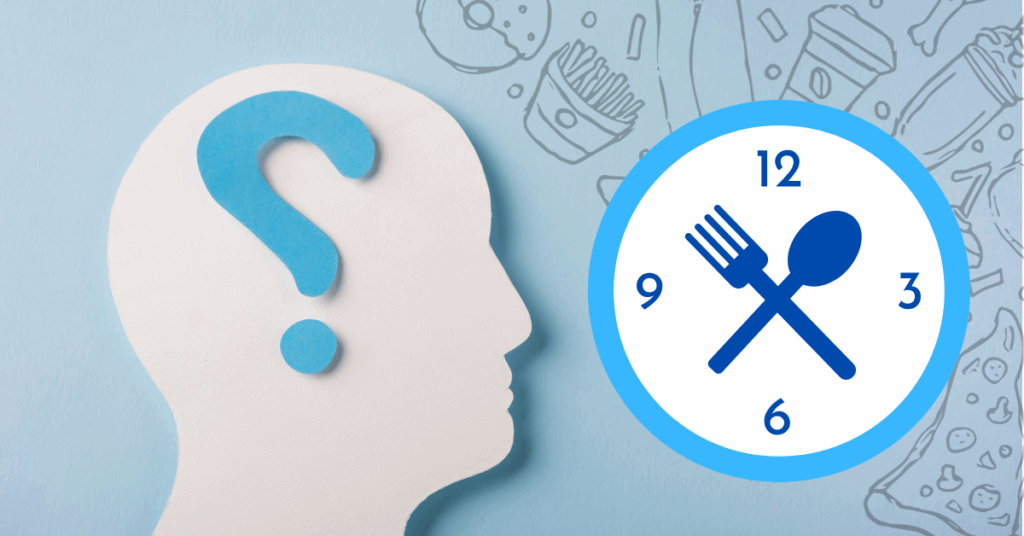
Time-restricted feeding (TRF), a type of intermittent fasting that limits eating to a specific window of time each day—say, 8 or 10 hours—has been making waves in nutrition and longevity circles. But now, researchers are diving deeper into how this approach might do more than just help with weight loss or blood sugar control. Emerging evidence suggests that TRF could also play a role in protecting the brain from neurodegenerative diseases like Alzheimer’s.
Fasting and Brain Health: What’s the Link?
Alzheimer’s disease, the most common form of dementia, is marked by memory loss, cognitive decline, and the buildup of harmful proteins in the brain. While genetics and age are major risk factors, lifestyle choices—particularly diet—are proving to be powerful influencers.
Time-restricted feeding doesn’t change what you eat, just when you eat. And it turns out that this shift in timing can significantly impact metabolic and cellular processes in the body, including those that affect the brain. Researchers believe that fasting periods may help reduce inflammation, improve insulin sensitivity, and even encourage a natural cleanup process in the brain known as autophagy.
“Autophagy is like taking out the trash,” explains Dr. Emily Hansen, a neuroscientist studying diet and brain health. “It helps clear out damaged cells and misfolded proteins, including beta-amyloid, which is a hallmark of Alzheimer’s disease.”
Early Animal Studies Show Promise
Animal studies have been at the forefront of this research. In one study published in Cell Metabolism, mice fed only during an 8-hour window each day showed reduced levels of beta-amyloid plaques in their brains compared to those fed throughout the day. These mice also performed better on memory tests.
What’s more, time-restricted feeding appeared to help regulate the mice’s circadian rhythms—the body’s internal clock—which play a vital role in brain function and detoxification during sleep.
Human Trials Are Underway
While early results are exciting, scientists caution that more research is needed in humans. A number of clinical trials are now underway to explore how time-restricted eating affects cognitive function, memory, and Alzheimer’s risk in older adults.
One such study, led by researchers at the University of California, is tracking older adults who follow a 10-hour eating window for several months. Preliminary results suggest improvements in sleep, mood, and even subtle cognitive functions like attention and memory.
The Bigger Picture: Diet and Brain Longevity
Time-restricted feeding is not a magic bullet—but it could be one piece of a larger puzzle. Combined with a healthy, nutrient-dense diet, regular physical activity, and good sleep, it may offer a natural, accessible way to support long-term brain health.
“We’re beginning to see that lifestyle interventions like TRF can influence biological processes linked to aging and disease,” says Dr. Hansen. “That’s incredibly empowering.”
Should You Try It?
Before starting any fasting routine, it’s best to speak with a healthcare provider—especially if you have underlying health conditions or are taking medications. But for many, simply shifting meals into a 10, 12 or even 6 hour window – depending on your appetite for being extreme – this window could be a gentle way to tap into the brain-boosting benefits of fasting.
As science continues to unravel the complex relationship between food and brain health, time-restricted feeding stands out as a promising, low-cost strategy that could help turn the tide in the fight against Alzheimer’s.
To conclude, can fasting protect your brain? The evidence is unequivocally proven, that intermittent fasting is proving to be very effective at maintaining brain and cognitive health and wellbeing.
As we are on the subject of mind health why not take a look at the this post > 7 Amazing Ways Mindset Impacts Your Health
Scientific Sources
- NIH National Library of Medicine Intermittent fasting protects against the deterioration of cognitive function, energy metabolism and dyslipidemia in Alzheimer’s disease-induced estrogen deficient rats
- NIH National Library of Medicine Effects of intermittent fasting on cognitive health and Alzheimer’s disease
- Medical News Today Time-restricted feeding may help manage Alzheimer’s symptoms, study finds
- Science Direct Intermittent fasting and neurocognitive disorders: What the evidence shows
