


Many households have medicinal plants growing in their gardens without realising the potential health benefits they possess. The fact is you have your own herbal medicinal apothecary growing all around you as nature intended in your garden. Here are 7 weeds with surprising medicinal benefits.
In this article, we will detail some of the many medicinal benefits of weeds-we mean plants-that could be growing in your garden right now. So before you start trying to kill them off with weed killer, read on to uncover the wonderful healing power of these amazing medicinal powerhouses.
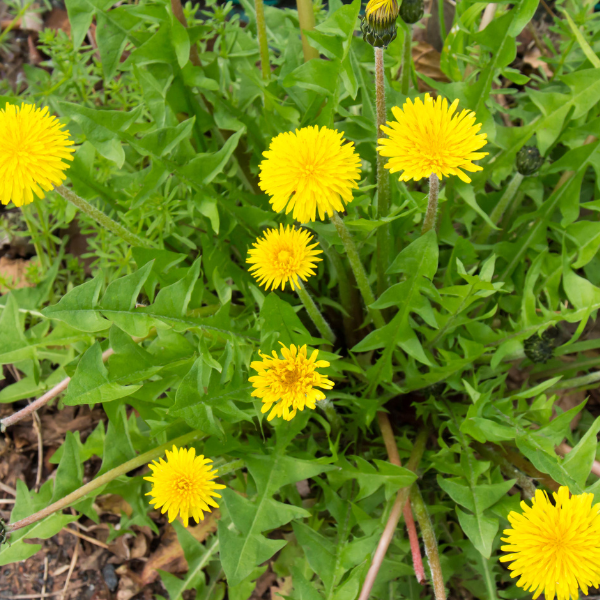
Dandelion (Taraxacum Officinale)
7 Weeds with Surprising Medicinal Benefits #1
Most people consider this powerful herbal medicine a nuisance, but it is actually a great source of vitamins and minerals. Although all parts of the Dandelion have their own unique health benefits, some parts of the plant are more commonly used for medicinal purposes than others.
The leaves of the dandelion are known to be rich in vitamins A, C, and K, and minerals such as iron, calcium, and potassium. They are often used to make dandelion tea or eaten as a leafy green vegetable in salads. Dandelion leaves are considered to be a natural diuretic, which can help flush excess fluids from the body, and they also have anti-inflammatory properties.
The roots of the dandelion are used to make dandelion root tea or extracts. They contain antioxidants and have been used to support liver health, as well as to aid digestion and stimulate appetite. Dandelion root is also believed to have anti-inflammatory properties and may help to reduce inflammation in the body.
The flowers of the dandelion are used to make dandelion wine and can also be added to salads as a garnish. The flowers contain antioxidants and are believed to have anti-inflammatory properties as well.
Overall, all parts of the dandelion plant have health benefits, and the choice of which part to use depends on the specific health concern being addressed. It is always recommended to seek professional advice before using any medicinal plants, including dandelion, to ensure their safe and appropriate use.
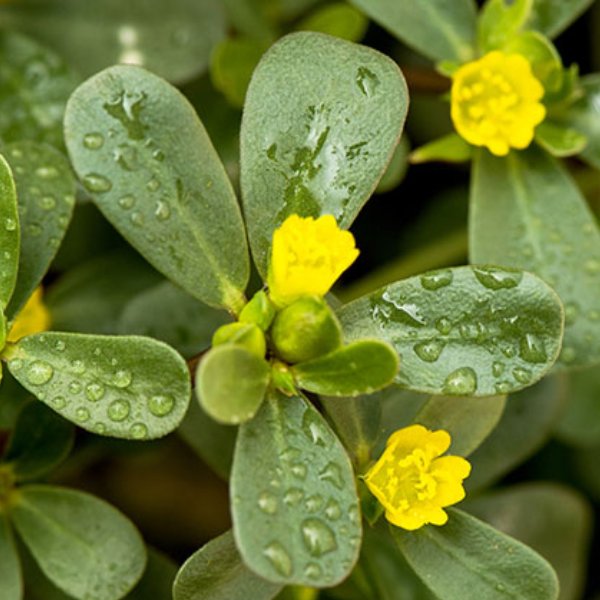
Purslane (Portulaca Oleracea)
7 Weeds with Surprising Medicinal Benefits #2
Purslane is often found growing in vegetable gardens, and many gardeners consider it a weed. However, this herbal medicine is rich in omega-3 fatty acids, which are essential for brain health. It also contains high levels of vitamin A, vitamin C, and potassium. Purslane has anti-inflammatory properties, and studies have shown that it can lower blood pressure and cholesterol levels.
Although all parts of the plant have a variety of health benefits, it is the leaves and stems of the plant that are most commonly used for medicinal purposes and are considered to have the most benefits.
The leaves of purslane are rich in omega-3 fatty acids, which are essential for brain health and are not commonly found in plants. Purslane leaves also contain high levels of antioxidants, particularly vitamins A and C, as well as minerals such as potassium, magnesium, and calcium. These nutrients help to support overall health and prevent chronic diseases.
The stems of purslane are also rich in omega-3 fatty acids and antioxidants, and they have been traditionally used to treat inflammation and pain. The stems of purslane can be eaten raw or cooked, and they have a slightly sour taste.
In traditional medicine, purslane has been used to treat a variety of conditions, including skin conditions, diabetes, and digestive issues. Its anti-inflammatory properties may also help reduce the risk of chronic diseases such as heart disease and cancer.
Overall, the leaves and stems of purslane are the parts of the plant that have the most benefits, and they can be consumed in a variety of ways, including raw in salads, cooked in soups or stews, or used in herbal tea infusions. However, as with any medicinal plants, it is important to consult with a healthcare professional before using purslane to ensure its safe and appropriate use.
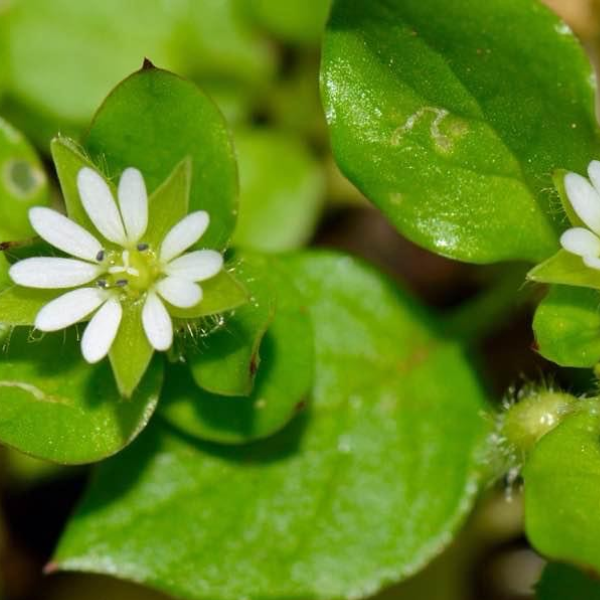
Chickweed (Stellaria Media)
7 Weeds with Surprising Medicinal Benefits #3
Chickweed is a common weed – or should we say herbal medicine – found in gardens and is often used in herbal medicine. It is rich in vitamins and minerals, including iron, magnesium, and calcium. Chickweed is known to have anti-inflammatory properties and has been used to treat skin conditions like eczema and psoriasis. It is also used to soothe coughs and colds.
Although the whole plant can be used for medicinal purposes, the aerial parts of the plant, including the leaves, stems, and flowers, are the parts that are most commonly used and have the most benefits.
Chickweed leaves and stems are high in nutrients, including vitamins A, C, and B-complex, calcium, magnesium, and potassium. They are also rich in antioxidants and anti-inflammatory compounds, which make them beneficial for supporting overall health and reducing the risk of chronic diseases such as heart disease and cancer.
Chickweed is commonly used as a natural remedy for skin conditions such as eczema, psoriasis, and rashes. The anti-inflammatory and soothing properties of chickweed can help reduce inflammation and relieve itching and irritation. Chickweed can be used topically as a poultice, salve, or cream to treat skin conditions.
Chickweed can also be taken internally as a tea or tincture to support digestion and relieve digestive discomfort. The demulcent properties of chickweed can help soothe and protect the digestive tract and promote healthy digestion.
In addition, chickweed is believed to have diuretic properties, which can help to flush excess fluids from the body and support kidney health.
Overall, the aerial parts of the chickweed plant, including the leaves, stems, and flowers, are the parts that have the most benefits and can be used in a variety of ways for medicinal purposes. However, it is important to consult with a healthcare professional before using chickweed to ensure its safe and appropriate use.

Yarrow (Achillea Millefolium)
7 Weeds with Surprising Medicinal Benefits #4
Yarrow is another common weed found in gardens, which has a long history of use as a herbal medicine. It has been used for centuries to treat wounds and bleeding. Yarrow is a natural anti-inflammatory and has been used to treat digestive issues like bloating, gas, and diarrhoea. It is also believed to have a calming effect on the nervous system.
The whole plant, including the leaves, flowers, and stems, is used for medicinal purposes, but the flowers and leaves in particular are most commonly used and have the most medicinal benefits.
The flowers of yarrow are rich in volatile oils, including chamazulene and proazulene, which give yarrow its characteristic blue colour and are believed to have anti-inflammatory and analgesic properties. Yarrow flowers are traditionally used to relieve pain and inflammation associated with menstrual cramps, headaches, and digestive disorders. Yarrow flowers can be prepared as a tea or used in a tincture or capsule form.
The leaves of yarrow are rich in flavonoids and tannins, which have astringent and anti-inflammatory properties. Yarrow leaves are used to treat digestive disorders such as indigestion, bloating, and diarrhoea. They can be prepared as a tea, tincture, or capsule.
Yarrow is also commonly used topically as a poultice, salve, or oil to treat wounds, cuts, and bruises. The astringent and antiseptic properties of yarrow can help stop bleeding, reduce inflammation, and prevent infection.
Overall, both the flowers and leaves of yarrow have important medicinal benefits and can be used in a variety of ways to support health and treat various health conditions.
WORD OF CAUTION: There is another plant called Poison-Hemlock which looks almost identical to Yarrow. As the name suggests, it is acutely toxic to both animals and humans and should not be used in any way as all parts of the plant are poisonous if ingested.
This is why we cannot stress enough the importance of consulting with a professional medical herbalist or expert forager before using yarrow – or any medicinal plants – to ensure its safe and appropriate use, particularly if you are pregnant or breastfeeding or taking any form of BIG Pharma medication.
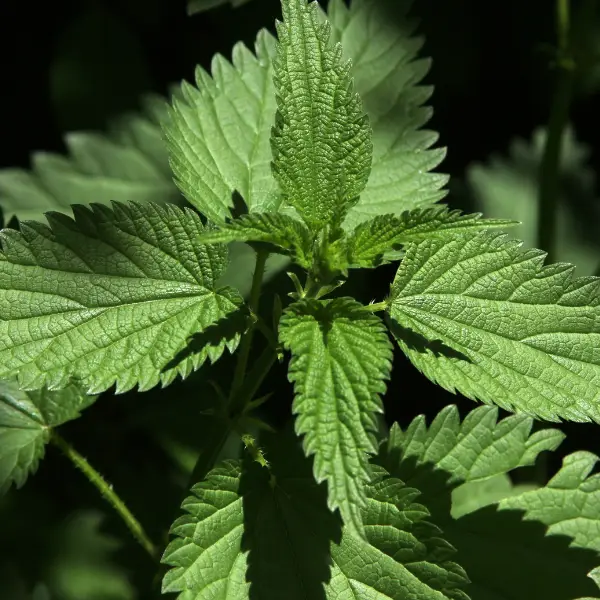
Stinging Nettle (Urtica Dioica)
7 Weeds with Surprising Medicinal Benefits #5
Stinging nettle is a plant and herbal medicine many gardeners try to avoid due to its sting. However, it is one of the most nutrient-dense plants available in the herbal medicine world.
The whole plant, including the leaves, stem, and roots, can be used for medicinal purposes. The leaves and roots of the plant are the parts which are most commonly used and have the most medicinal benefits.
The leaves of stinging nettle are rich in vitamins and minerals, including vitamin C, vitamin K, iron, and calcium. They are also a good source of antioxidants and anti-inflammatory compounds. Stinging nettle leaves are traditionally used to treat allergies, arthritis, and urinary tract infections. They can be prepared as a tea, tincture, or capsule.
The roots of stinging nettle are believed to have diuretic properties, which can help to flush excess fluids from the body and support kidney health. They are also traditionally used to relieve symptoms of benign prostatic hyperplasia (BPH), a noncancerous enlargement of the prostate gland in men. Stinging nettle root can be prepared as a tea, tincture, or capsule.
Stinging nettle can also be used topically to relieve joint pain and inflammation associated with arthritis. The leaves of stinging nettle can be prepared as a poultice or used in a salve or cream.
Overall, both the leaves and roots of stinging nettle have important medicinal benefits and can be used in a variety of ways to support health and treat various health conditions. However, it is important to consult with a healthcare professional before using stinging nettle, particularly if you are pregnant or breastfeeding or taking any medications.
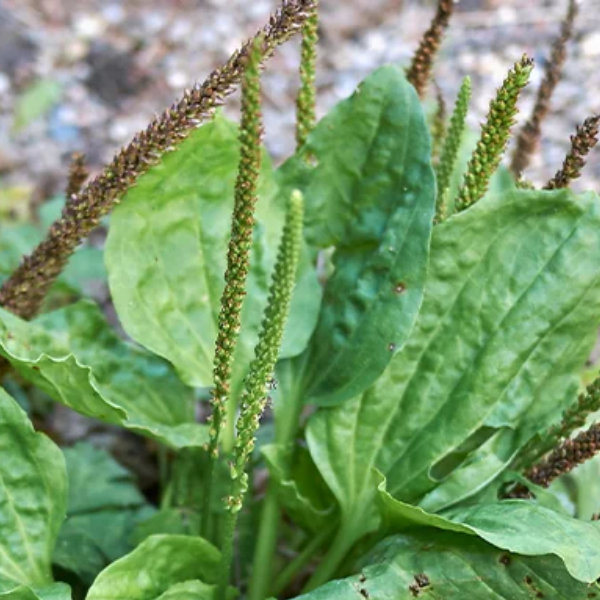
Plantain (Plantago Major)
7 Weeds with Surprising Medicinal Benefits #6
Plantain is often considered a weed, but it has been used in traditional herbal medicine for centuries. It is rich in vitamins A, C, and K, as well as calcium and iron.
Plantago, commonly known as Broadleaf Plantain, is used to treat a variety of health conditions. The whole plant, including the leaves, seeds, and roots, can be used for medicinal purposes, but the leaves are the part of the plant that are most commonly used and have the most medicinal benefits.
The leaves of broadleaf plantain are rich in bioactive compounds, including polysaccharides, tannins, and iridoids, which have anti-inflammatory, antioxidant, and antimicrobial properties. The leaves of broadleaf plantain are traditionally used to relieve inflammation and irritation of the respiratory and digestive tracts, as well as for wound healing.
Broadleaf plantain leaves can be prepared as a tea, tincture, or syrup, and are commonly used to treat coughs, sore throats, and digestive disorders such as diarrhea and gastritis. The leaves can also be applied topically as a poultice or salve to relieve skin irritation, insect bites, and minor wounds.
In addition, broadleaf plantain seeds have been traditionally used as a natural laxative and to promote digestive health. The seeds can be prepared as a tea or added to food.
Overall, the leaves of broadleaf plantain have important medicinal benefits and can be used in a variety of ways to support health and treat various health conditions. However, it is important to consult with a healthcare professional before using broadleaf plantain, particularly if you are pregnant or breastfeeding or taking any medications.
Cleavers (Galium Aparine)
7 Weeds with Surprising Medicinal Benefits #7
Cleavers also known as Catchweed “robin-run-the-hedge” and gained the name Sticky Willie, due to the sticky plant’s tendency to ‘cleave’ to human clothing or animal fur.
Cleavers have been used for centuries in traditional herbal medicine systems because it possesses several medicinal properties, making it a subject of scientific interest and exploration.
The medicinal benefits of cleavers primarily stem from its bioactive constituents, including phenolic acids, tannins, flavonoids, and iridoid glycosides. These compounds contribute to the plant’s therapeutic effects, which include diuretic activity which promotes increased urine production and assisting in the elimination of excess fluids from the body. Cleavers have long been recognised in supporting the lymphatic drainage system, which is a crucial role in immune function and detoxification and potentially aiding in the removal of toxins and waste products.
Cleavers also have anti-inflammatory properties, which can be attributed to various constituents present within the plant. Studies have suggested that cleavers may help alleviate inflammation associated with conditions such as arthritis and skin disorders.
Traditionally, cleavers have been used to promote skin health and address various dermatological conditions. The herb possesses cooling and soothing properties, making it potentially beneficial in alleviating itching, rashes, and minor skin irritations.
In addition to skin health, research has suggested that cleavers may possess antimicrobial properties. Extracts from the plant have shown inhibitory effects against certain bacteria and fungi, indicating potential applications in the field of infectious disease management.
In conclusion, many of the plants you consider to be just pesky weeds destroying the aesthetics of your gardens do in fact have alot of medicinal uses. These particular herbal medicines are rich in vitamins, minerals, and antioxidants that help to fight inflammation and support your overall health. So, the next time you are about to pull out a weed or spray it with a weed killer, think twice and consider the abundant potential health benefits and medicinal uses these amazing plant can have on your health and general wellbeing.
Although medicinal plants have many potential health benefits, it is important to always be aware that they are not without potential risk, and some instances, herbal medicine intervention may not be suitable for everyone.
Therefore, it is strongly advised, you seek professional advice prior to using any medicinal herbs, especially if you are pregnant, breastfeeding, or have any underlying medical conditions or taking any prescribed medication from your Doctor.
A medical herbalist or a qualified healthcare professional who understands their efficacy and safety profiles, can help you determine the right dosage and ensure that they are administered in a safe and effective way.
Scientific Sources
- Dandelion tea benefits https://www.medicalnewstoday.com/articles/323710
- Health benefits of purslane https://www.webmd.com/diet/health-benefits-purslane
- Chickweed uses and benefits https://www.webmd.com/vitamins/ai/ingredientmono-622/chickweed
- Benefits of Yarrow and its uses https://www.webmd.com/vitamins/ai/ingredientmono-151/yarrow
- Nettle Leaf: Health Benefits, Nutrition Facts, and How To Prepare It https://www.webmd.com/diet/health-benefits-nettle-leaf
- What are the health benefits of plantains? https://www.medicalnewstoday.com/articles/plantain-benefits
- Immunomodulatory Activity and Phytochemical Profile of Infusions from Cleavers Herb https://pmc.ncbi.nlm.nih.gov/articles/PMC7464609/
