

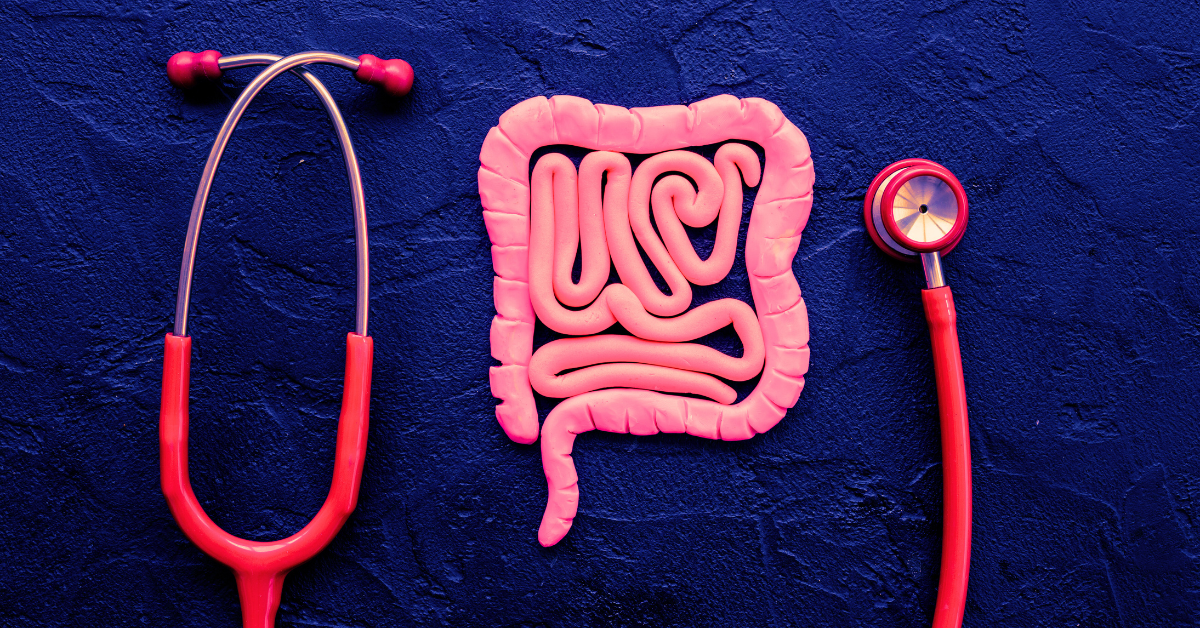
The global gut health crisis is a hot topic in the wellness and medical communities, and for very good reason. While there isn’t a universally recognised “global gut health crisis” in the same way we might talk about a global pandemic, there is growing evidence and concern among researchers and health professionals about widespread gut health issues.
The reasons for this growing concern are due to:
While these factors suggest significant and widespread gut health concerns, it’s important to note that the term “crisis” might be an overstatement. The situation is more accurately described as a growing area of concern and research in global health.
The Second Brain
The human gut, often referred to as the “second brain,” plays an essential role in our overall health, influencing everything from digestion to mental well-being. As more research uncovers the complex interactions between our gut and various bodily systems, it’s becoming increasingly clear that maintaining a healthy gut is crucial for long-term health and vitality. The question remains, is your gut sabotaging your health?
We are about to explore the importance of your gut health, its role in various aspects of human well-being, and some practical action steps you can take to improve and maintain a healthy gut, because the last thing you need is your gut sabotaging your health and wellbeing.
What is Gut Health?
Before diving deeper, let’s define gut health. It refers to the balance and function of the trillions of microorganisms living in your digestive tract, known as the gut microbiome. These microorganisms, including bacteria, fungi, and viruses, play essential roles in digestion, nutrient absorption, immune system function, and even mood regulation.
A healthy gut is one that has a balanced population of beneficial bacteria, which helps to maintain proper digestion, a strong immune system, and overall well-being. On the flip side, an unhealthy gut—characterised by an imbalance in gut bacteria, often referred to as dysbiosis—can lead to numerous health issues such as digestive problems, skin conditions, fatigue, even mental health challenges.
The Gut-Brain Connection
One of the most fascinating aspects of gut health is the gut-brain connection. The gut is connected to the brain through the vagus nerve, and the two communicate constantly. In fact, the gut produces more than 90% of the body’s serotonin, a neurotransmitter that regulates mood, sleep, and anxiety levels.
When the gut is out of balance, it can directly impact the brain, leading to issues such as anxiety, depression, and mood swings. This relationship has led researchers to explore how gut health can influence mental health, giving rise to the idea that a healthy gut could be a key to emotional well-being.
The Role of Gut Health in Digestion
Perhaps the most obvious role of the gut is its function in digestion. The gut is responsible for breaking down the food you eat, absorbing nutrients, and eliminating waste. When your gut is healthy, this process runs smoothly, ensuring that your body gets the nutrients it needs to function optimally.
However, an unhealthy gut can lead to digestive disorders such as bloating, constipation, diarrhea, and irritable bowel syndrome (IBS). These conditions can be uncomfortable and disruptive to daily life, but they often improve when the balance of the gut microbiome is restored.
Gut Health and Immune Function
Your gut plays a critical role in the health of your immune system. Approximately 70% of your immune system resides in your gut, and the microorganisms within it help to protect your body from harmful pathogens. A healthy gut helps to prevent the overgrowth of harmful bacteria, viruses, and fungi, acting as a barrier against infections and supporting immune responses.
An imbalanced gut, however, can compromise immune function, making you more susceptible to infections, allergies, and even autoimmune diseases. By prioritizing gut health, you can enhance your body’s natural defenses.
Gut Health and Weight Management
Struggling with weight management? Your gut could be a key player in how your body stores fat and burns calories. Research suggests that the composition of your gut microbiome can influence metabolism and energy expenditure. Certain bacteria are associated with weight gain, while others are linked to leanness.
A healthy gut can aid in weight management by regulating hunger hormones, improving digestion, and optimizing nutrient absorption. Conversely, an unhealthy gut may lead to weight gain, even if you’re eating a healthy diet and exercising regularly. If weight management is a concern, focusing on improving gut health could make a significant difference.
The Link Between Gut Health and Skin
Ever wondered why your skin sometimes reacts poorly, even when you’re taking good care of it externally? Well, the answer could actually lie in your gut. There is a strong connection between gut health and skin health, often referred to as the gut-skin axis.
When the gut microbiome becomes out of balance, it can lead to skin irritations and conditions like: acne, atopic dermatitis, psoriasis, rosacea, dandruff, and even skin cancer.
The gut microbiome is responsible for regulating the immune system, which communicates with the skin and other organs. When the gut is out of balance, it can release pro-inflammatory cytokines into the body, which the skin reacts to.
By supporting a healthy gut, you can begin the process of promoting clearer, healthier skin. Many people find that improving their diet and adding gut-friendly foods such as probiotics can lead to noticeable improvements in skin quality. You will find a diet list below.
The Importance of Gut Health for Mental Clarity
Beyond its impact on mood, gut health also plays a huge role in mental clarity and cognitive function. When the gut is out of balance, it can lead to symptoms such as brain fog, difficulty concentrating, and memory problems. These cognitive issues can make daily tasks feel more challenging and reduce overall productivity.
Maintaining a healthy gut can improve cognitive function, increase focus, and even enhance memory. Many people report feeling sharper and more mentally clear after making positive changes to their gut health.
Signs of an Unhealthy Gut
It’s important to recognise the signs of an unhealthy gut so that you can take steps to improve it. Some common symptoms include:
- Digestive issues such as bloating, constipation, or diarrhea
- Unexplained fatigue or low energy
- Skin problems like acne or eczema
- Food intolerances or sensitivities
- Frequent colds or infections
- Mood swings, anxiety, or depression
If you experience any of these symptoms, it may be time to pay closer attention to your gut health.
How to Improve Gut Health
Improving gut health doesn’t have to be complicated. Here are some practical steps you can take:
1. Eat a Diverse Range of Foods
A diverse diet rich in whole foods such as fruits, some vegetables, meat proteins and fats, and whole grains can promote a healthy gut microbiome. Different types of foods provide a variety of nutrients that support the growth of beneficial bacteria.
2. Add Fermented Foods to Your Diet
Fermented foods such as kefir, sauerkraut, kimchi, and kombucha are rich in probiotics, which are beneficial bacteria that help balance the gut microbiome. Including these in your diet can promote gut health and aid in digestion. Even adding a tablespoon of apple cider vinegar into water with a little raw honey can
3. Take a Probiotic Supplement
If you’re not getting enough probiotics from food, consider taking a probiotic supplement. These supplements contain live beneficial bacteria that can help restore balance in the gut, especially after taking antibiotics or during periods of stress.
4. Manage Stress
Chronic stress can negatively impact gut health, leading to inflammation and an imbalance in gut bacteria. Practices such as meditation, yoga, and deep breathing can help reduce stress and promote a healthier gut.
5. Stay Hydrated
Drinking plenty of water is essential for overall health, but it’s especially important for digestion and maintaining a healthy gut lining. Staying hydrated can help with nutrient absorption and the elimination of waste.
6. Avoid Overuse of Antibiotics
While antibiotics can be life-saving, their overuse can deplete beneficial gut bacteria and lead to imbalances. Only use antibiotics when absolutely necessary and consider taking a probiotic supplement to restore gut health after a course of antibiotics.
7. Get Enough Sleep
Sleep is critical for overall health, and it also impacts the gut. Poor sleep can contribute to gut imbalances and increase stress levels. Aim for 7-9 hours of sleep per night to support a healthy gut.
Conclusion
In summary, gut health is at the centre of human well-being, affecting everything from digestion and immune function to mental clarity and mood regulation. With the right diet, lifestyle, and self-care practices, you can improve your gut health and, in turn, your overall quality of life. By paying attention to the health of your gut, you’re investing in your future well-being. So, start making gut-friendly choices today to feel your best tomorrow, which will ultimately lead to overcoming the global gut health crisis.
Scientific Sources
- NIH Global, regional, and national burden of 10 digestive diseases in 204 countries and territories from 1990 to 2019
- WebMD How your gut health effects your whole body
- NIH The Gut Brain Axis: Interactions between enteric microbiota, central and enteric nervous systems
- The BMJ Role of the gut microbiota in nutrition and health
- NIH The role of gut microbiota in immune homeostasis and autoimmunity
- WebMD Beyond the Shots: Focusing on Gut Health Can Aid Weight Loss
- NIH Impact of gut microbiome on skin health: gut-skin axis observed through the lenses of therapeutics and skin diseases
- NIH The Impact of Nutrients on Mental Health and Well-Being: Insights From the Literature
