

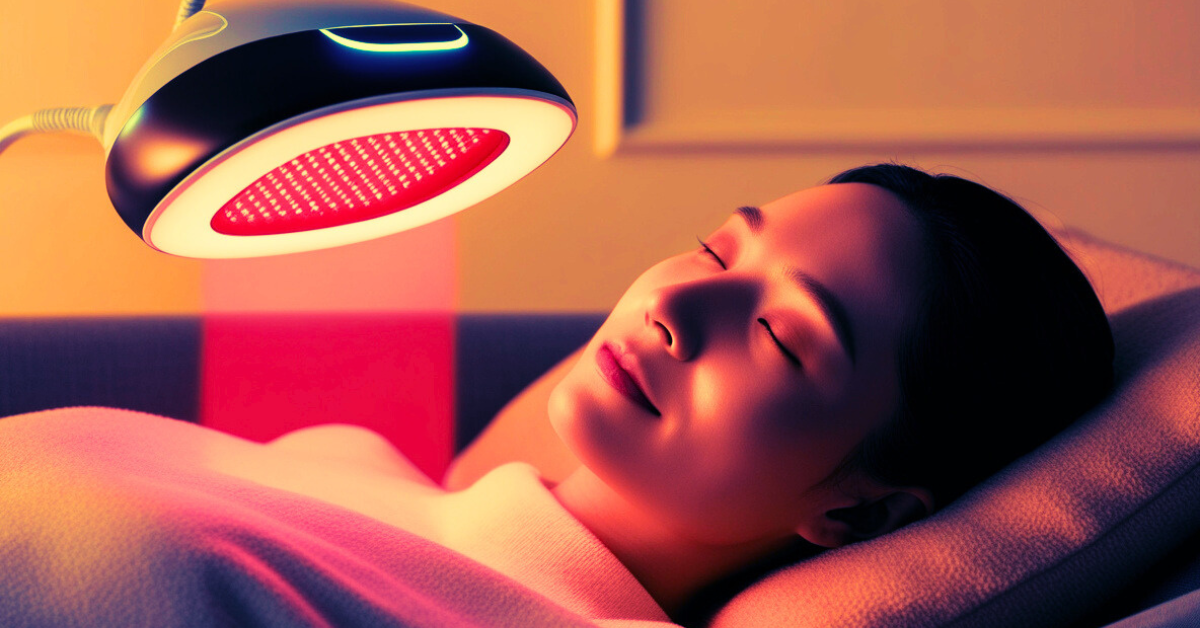
Red Light Therapy (RLT) has become a buzzword in the health and wellness sector, capturing the interest of both professionals and enthusiasts. This non-invasive treatment promises a host of benefits, from improved skin health to enhanced muscle recovery.
But what exactly is RLT, and what does the science say about its efficacy? In this comprehensive guide, 6 benefits of red light therapy, we’ll explore the ins and outs of Red Light Therapy, delving into its mechanisms, benefits, and the research supporting its use.
What is Red Light Therapy?
Red Light Therapy is a treatment that involves exposing the skin to low levels of red or near-infrared light. Unlike ultraviolet light, which can damage the skin, red light at specific wavelengths can penetrate the skin and positively affect the cells.
How Does Red Light Therapy Work?
The science behind RLT revolves around the mitochondria, often referred to as the powerhouses of cells. Red light penetrates the skin and is absorbed by the mitochondria which helps in boosting the production of adenosine triphosphate (ATP), which is the energy currency of the cell. Enhanced ATP production can lead to a cascade of beneficial effects on cellular function and repair.
The History of Red Light Therapy
Red Light Therapy’s origins date back to the early 20th century. NASA scientists were among the first to explore its potential, using red light to promote growth in plants and later to assist in healing wounds in astronauts. Since this early adoption of red light therapy research has expanded with RLT now being used in various medical and cosmetic applications.
Benefits of Red Light Therapy
1. Skin Health and Rejuvenation
One of the most popular uses of RLT is for improving skin health. Studies have shown that red light can stimulate collagen production, reduce wrinkles, and improve skin texture. It can also help with conditions like psoriasis, acne, and eczema.
2. Pain Relief and Muscle Recovery
Athletes and fitness enthusiasts often turn to RLT for pain relief and muscle recovery. The therapy can reduce inflammation and promote healing of injuries. Studies suggest that RLT can be effective in treating joint pain and enhancing recovery post-exercise.
3. Wound Healing
RLT has shown promise in accelerating wound healing. By enhancing cellular repair and reducing inflammation, red light can help heal cuts, burns, and other injuries more quickly.
4. Hair Growth
For individuals experiencing hair loss, RLT offers a non-invasive solution. Research indicates that red light can stimulate hair follicles, promoting hair growth and increasing hair density.
5. Mental Health and Cognitive Function
Emerging research suggests that RLT can also benefit mental health and cognitive function. Studies have shown improvements in symptoms of depression and anxiety, as well as enhanced cognitive performance in conditions like dementia.
6. Improved Sleep
Exposure to red light has been linked to better sleep quality. By regulating circadian rhythms, RLT can help individuals fall asleep more easily and enjoy deeper, more restorative sleep.
Mechanisms Behind Red Light Therapy
Cellular Energy Production
As mentioned, red light enhances ATP production in the mitochondria. This increase in cellular energy can improve overall cell function, promoting healing and reducing inflammation.
Collagen Synthesis
Red light stimulates the fibroblasts in the skin to produce collagen, a protein that provides structure and elasticity. Increased collagen levels can lead to firmer, younger-looking skin.
Anti-Inflammatory Effects
RLT can reduce inflammation at the cellular level. This anti-inflammatory effect is beneficial for treating conditions like arthritis, muscle strains, and chronic pain.
Enhanced Circulation
Exposure to red light can improve blood flow and oxygenation of tissues. Better circulation helps deliver nutrients to cells and remove waste products, supporting overall health and recovery.
Scientific Evidence Supporting Red Light Therapy
Skin Health
A study published in the Journal of Investigative Dermatology found that red light significantly improved skin complexion and increased collagen density .
Muscle Recovery
Research in the American Journal of Physical Medicine & Rehabilitation demonstrated that RLT reduced muscle soreness and improved recovery times in athletes .
Hair Growth
A clinical trial published in Lasers in Surgery and Medicine showed that participants using red light therapy experienced a significant increase in hair density compared to a control group .
Cognitive Function
A study in the Journal of Alzheimer’s Disease found that RLT improved cognitive function and reduced symptoms in patients with mild to moderate dementia .
How to Use Red Light Therapy
At-Home Devices
There are numerous at-home RLT devices available, ranging from handheld wands to larger panels. When choosing a device, consider the wavelength and intensity, as these factors influence the effectiveness of the treatment.
Professional Treatments
Many dermatologists, physiotherapists, and wellness centres offer RLT. These professional treatments often use higher-powered devices and can be tailored to individual needs.
Treatment Duration and Frequency
The duration and frequency of RLT sessions can vary depending on the condition being treated. Generally, sessions last between 10 to 20 minutes, with multiple sessions per week recommended for optimal results.
Potential Side Effects and Considerations
Safety Profile
Red Light Therapy is generally considered safe with minimal side effects. However, it’s essential to use the therapy as directed to avoid potential risks, such as skin burns or eye damage from prolonged exposure.
Consultation with Healthcare Providers
Before starting RLT, especially for serious medical conditions, it’s advisable to consult with a healthcare provider. They can provide guidance on the appropriate use and ensure it’s a suitable treatment option.
The Future of Red Light Therapy
The field of Red Light Therapy is rapidly evolving, with ongoing research exploring new applications and refining existing ones. Future advancements may include more precise targeting of wavelengths and combining RLT with other treatments to enhance its effectiveness.
Conclusion
Red Light Therapy offers a versatile and promising approach to enhancing health and wellness. From improving skin health to aiding in muscle recovery and cognitive function, the benefits of RLT are supported by a growing body of scientific evidence. As research continues to uncover its full potential, RLT is poised to become an integral part of holistic health strategies.
Whether you’re considering at-home devices or professional treatments, Red Light Therapy provides a non-invasive, scientifically-backed method to support your health and well-being. Always remember to consult healthcare professionals to tailor the therapy to your specific needs and ensure safe and effective use.
Source References:
- Cleveland Clinic How did interest in red light therapy evolve
- Journal of Investigative Dermatology Influence of 5-Aminolevulinic Acid and Red Light on Collagen Metabolism of Human Dermal Fibroblasts
- NIH National Library of Medicine A Controlled Trial to Determine the Efficacy of Red and Near-Infrared Light Treatment
- WebMD Red Light Therapy: Effectiveness, Treatment, and Risks
- Medical News Today Uses benefits and risks of red light therapy
- Jeffrey Peng MD Is red light therapy the future of healing
