

When we think about disease, we often picture runny noses, high fevers, and the countless bottles of cough syrup tucked away in our medicine cabinets. However, the truth about where disease actually begins is far more mind-blowing than a simple sneeze.
Understanding where disease begins and its origins, not only gives us insight into our health but also arms us with the knowledge to prevent and combat illnesses more effectively. So, buckle up as we embark on a fascinating journey through the complex world of disease, with a sprinkle of humour to keep things light and far less depressing!
1. The Cellular Stage: Where It All Begins
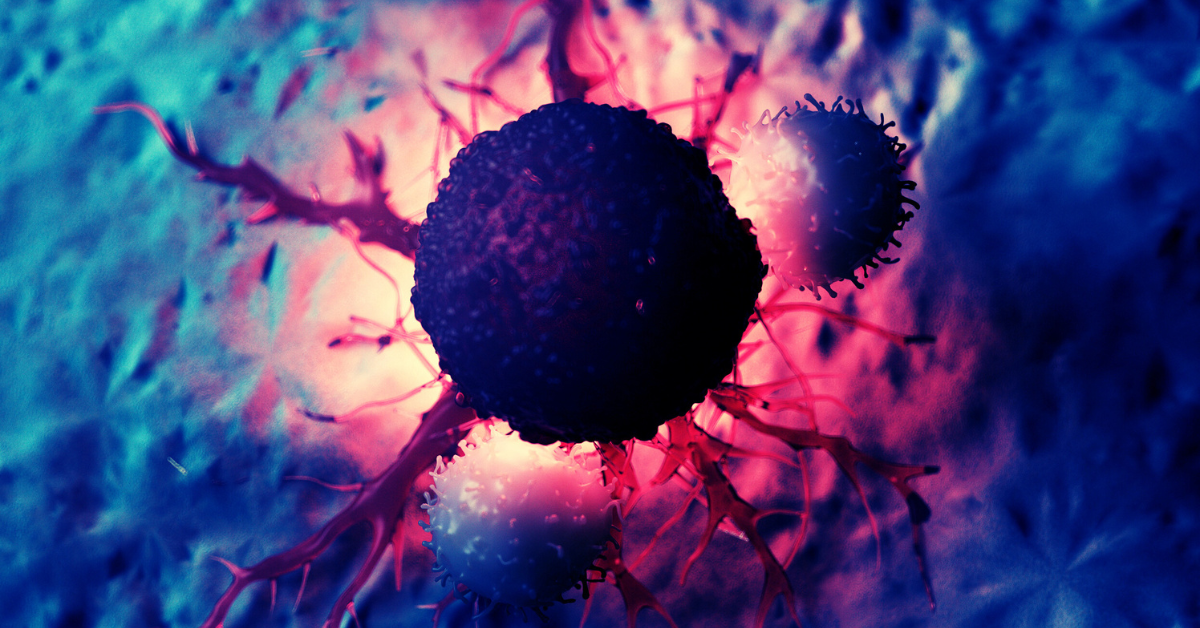
Let’s start at the very beginning, deep inside our bodies, at the cellular level. Our bodies are composed of trillions of cells, each working tirelessly to maintain our health. These microscopic powerhouses are where diseases often take their first steps. Picture your cells as tiny, bustling cities, each with its own infrastructure, communication systems, and defences. When something goes wrong in these cities—be it a genetic mutation, a viral invasion, or environmental damage—disease can take root.
Cellular Malfunctions: The Seeds of Disease
Think of your cells like a well-oiled machine. When one part malfunctions, the entire system can be thrown off. Genetic mutations, for example, can lead to the production of faulty proteins, which can cause diseases like cystic fibrosis or sickle cell anaemia . Similarly, when viruses invade our cells, they hijack the cellular machinery to reproduce, leading to illnesses ranging from the common cold to more serious conditions like influenza and HIV.
2. Genetics: The Blueprint of Health and Disease
While our cells are the front line, our genetic code plays the role of the blueprint. Every cell in our body contains DNA, which holds the instructions for building and maintaining our bodies. This genetic information can predispose us to certain diseases, meaning that sometimes, the origins of disease lie in the very code that makes us who we are.
Inherited Conditions and Genetic Susceptibility
Some diseases are passed down from generation to generation through our genes. These inherited conditions, like Huntington’s disease or hereditary breast cancer, highlight the significant role genetics plays in our health . Even if a disease isn’t directly inherited, genetic susceptibility can make us more vulnerable to certain conditions. For instance, certain genetic markers can increase the likelihood of developing heart disease or diabetes.
3. The Environment: External Influences on Health
While our cells and genes set the stage, the environment adds its own set of challenges. From the air we breathe to the food we eat, environmental factors can greatly influence our health. These external elements can either protect us or expose us to harmful substances that lead to disease.
Toxins and Pollution: Invisible Threats
Environmental toxins, such as pesticides, heavy metals, and air pollution, can wreak havoc on our health. These substances can damage our cells, disrupt our hormonal balance, and trigger inflammatory responses, leading to chronic diseases like asthma, cardiovascular disease, and even cancer . While we can’t control every environmental factor, being aware of these risks can help us make healthier choices.
4. Lifestyle Choices: The Power of Daily Habits
Believe it or not, our lifestyle choices play a massive role in determining our health. What we eat, how much we move, and even our stress levels can either fortify our defences or leave us vulnerable to disease. Adopting healthy habits can significantly reduce the risk of developing various conditions.
Diet and Nutrition: Fuel for Health
Our diet is a critical factor in our overall health. Consuming a balanced diet rich in fruits, vegetables, whole grains, and lean proteins provides our bodies with the nutrients needed to function optimally. On the flip side, a diet high in processed foods, sugars, and unhealthy fats can lead to obesity, diabetes, and other chronic illnesses . Remember the old saying, “You are what you eat”? It turns out, there’s a lot of truth to that!
Physical Activity: Move to Thrive
Regular physical activity is like a magic pill for maintaining health. Exercise helps to keep our cardiovascular system in top shape, strengthens our muscles and bones, and even boosts our mental health. Sedentary lifestyles, on the other hand, can contribute to a range of health issues, from obesity to heart disease . So, if you needed another reason to hit the gym or take a brisk walk, here it is!
5. Microbiome: The Hidden World Within
Our bodies are home to trillions of microorganisms, collectively known as the microbiome. These tiny residents, including bacteria, viruses, fungi, and other microbes, play a crucial role in our health. The balance of these microorganisms can influence everything from our digestion to our immune responses.
Gut Health: The Epicentre of the Microbiome
The gut microbiome, in particular, has garnered a lot of attention in recent years. A healthy gut is teeming with beneficial bacteria that aid in digestion, synthesise essential nutrients, and protect against harmful pathogens. Disruptions to this delicate balance, caused by poor diet, antibiotics, or stress, can lead to a host of issues, including inflammatory bowel disease, obesity, and even mental health disorders like depression and anxiety. In a nutshell, gut health is the engine that drives immunity, and where disease begins. Without a health microbiome, your are opening yourself up to poor health.
6. Immune System: The Body’s Defence Mechanism
Our immune system is like the body’s own personal army, constantly on the lookout for invaders. This complex network of cells, tissues, and organs is designed to recognise and eliminate threats, such as bacteria, viruses, and other harmful substances.
Autoimmune Disorders: When Defence Turns on Itself
Sometimes where disease begins is because of the immune system, the immune system goes haywire and starts attacking the body’s own tissues, mistaking them for foreign invaders. This malfunction can lead to autoimmune disorders like rheumatoid arthritis, lupus, and multiple sclerosis . Understanding how and why these conditions develop remains a significant focus of medical research.
7. Infections: The Unwanted Guests
Infections are caused by pathogens—bacteria, viruses, fungi, and parasites—that invade our bodies and disrupt normal function. These microscopic invaders can cause a wide range of illnesses, from mild infections like the common cold to severe diseases like tuberculosis or malaria.
Bacterial vs. Viral Infections: The Showdown
It’s important to distinguish between bacterial and viral infections, as they require different treatments. Bacterial infections, caused by single-celled organisms, can often be treated with antibiotics. Viral infections, on the other hand, are caused by viruses, which are smaller and require a host cell to replicate. Antibiotics are ineffective against viruses, which is why illnesses like the flu or COVID-19 require different approaches to treatment.
8. Stress: The Silent Agitator
Stress is often an overlooked factor in the development of disease. Chronic stress can have a profound impact on our health, contributing to conditions like heart disease, hypertension, and mental health disorders.
The Mind-Body Connection: How Stress Affects Health
When we’re stressed, our bodies release hormones like cortisol and adrenaline. While these hormones are helpful in short bursts, chronic stress can lead to prolonged exposure, which can weaken the immune system, increase inflammation, and disrupt other bodily functions. Finding effective ways to manage stress, such as through mindfulness, exercise, or hobbies, can significantly improve overall health.
9. Sleep: The Restorative Power
Never underestimate the power of a good night’s sleep. Quality sleep is essential for our bodies to repair and regenerate. Poor sleep, on the other hand, is linked to a host of health issues, including obesity, diabetes, cardiovascular disease, and decreased immune function.
The Science of Sleep: Why We Need It
During sleep, our bodies go through various stages of restoration, including tissue repair, muscle growth, and memory consolidation. Without sufficient sleep, these processes are disrupted, leaving us more susceptible to illness and impairing our cognitive function. Prioritising good sleep hygiene, such as maintaining a consistent sleep schedule and creating a restful environment, is crucial for long-term health.
10. Mental Health: The Overlooked Component
Mental health is an integral part of overall health, yet it’s often overlooked. Conditions like depression, anxiety, and other mental health disorders can have profound effects on physical health, contributing to issues like chronic pain, heart disease, and a weakened immune system.
Holistic Health: Integrating Mental and Physical Well-being
Addressing mental health is essential for a holistic approach to wellness. Practices like therapy, mindfulness, and social support can help manage mental health conditions and improve overall quality of life. Recognising the interconnectedness of mental and physical health is key to understanding where disease begins and how to prevent it.
Conclusion: The Interconnected Web of Health
As we’ve explored, the origins of where disease begins are incredibly complex and multifaceted. From the cellular level to our genes, environment, lifestyle choices, microbiome, immune system, infections, stress, sleep, and mental health, countless factors interplay to determine our health outcomes. Understanding these connections empowers us to make informed decisions and adopt healthier habits, ultimately reducing our risk of disease. So, next time you reach for that extra cookie or skip a workout, remember that our choices today lay the foundation for our health tomorrow. Here’s to a healthier, more informed future!
Source References
- Genetic mutations and disease: National Center for Biotechnology Information
- Huntington’s disease: PubMed Central
- Environmental toxins and health: National Institute of Environmental Health Sciences
- Diet and chronic disease: NIH Research Matters
- Physical activity and health: NIH National Library of Medicine
- Gut microbiome and health: Nature Reviews Microbiology
- Autoimmune disorders: National Institute of Allergy and Infectious Diseases
- Infections and pathogens: World Health Organization
- Stress and health: American Psychological Association
- Sleep and health: National Sleep Foundation
- Mental health and physical health: World Health Organization
