

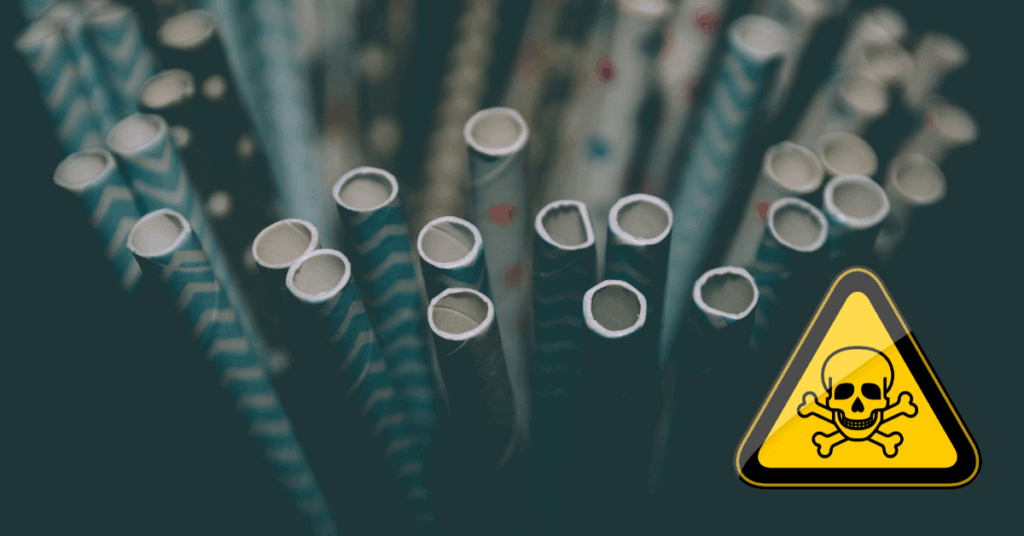
Soggy toxic and useless is what the science is now saying. Simply put, paper straws suck (pun intended)… In recent years, they have surged in popularity and become the norm and the supposed solution to the global plastic pollution crisis. Governments, restaurants, and brands rushed to replace plastic straws with their paper counterparts in an effort to appear more environmentally conscious. But here’s the kicker—paper straws are not the “green” solution we were led to believe.
In this article, we are going to explore the hidden environmental costs of these soggy toxic and useless paper straws, debunk myths around their benefits, and highlight why the solution to plastic pollution is far more complex than simply swapping materials.
The Rise of the Paper Straw
The banning of single-use plastics in many countries was a major turning point. Plastic straws became public enemy number one after viral videos and images showed marine animals suffering due to plastic waste. As a result paper straws were then introduced as the kinder, more environmentally friendly and gentler alternative.
Major chains like Starbucks, McDonald’s, KFC, and Disney – to name a few – all jumped on the trend, swapping plastic for paper straws in a concerted effort to win public opinion and drive customer number increase. The optics were great—until people started digging deeper.
Are Paper Straws Really Better for the Environment?
On the surface, yes. Paper is biodegradable and recyclable (in theory). But the reality is far more nuanced.
Let’s break it down:
- Paper straws are often coated with chemicals like PFAS (per- and polyfluoroalkyl substances), which make them water-resistant. These chemicals are known as “forever chemicals” because they don’t break down easily in nature, negating the biodegradability of the straw.
- The production of paper straws can require more energy and resources than plastic. This includes water, electricity, and raw materials.
- Many paper straws aren’t recyclable or compostable because of the chemical coatings or contamination from drinks.
So, while they’re technically not plastic, that doesn’t automatically make them eco-friendly, it just makes them soggy useless and toxic – yes, we are going to keep driving this particular point home.
The PFAS Problem
Let’s talk about PFAS for a moment. These are synthetic chemicals used to repel water, grease, and stains in many products—including your paper straws. Recent studies have found that many paper straws contain elevated levels of PFAS, which:
- Leach into your drinks
- Persist in the environment for thousands of years
- Accumulate in wildlife and humans
Not quite the green swap you thought, right? No, just… you guessed it… Soggy toxic and useless.
Associated Health Risks of Elevated PFAS Levels
Hormone Disruption
- PFAS can interfere with the endocrine system, affecting hormones like estrogen and thyroid hormones.
- Potential effects include irregular menstrual cycles, early menopause, and fertility issues.
Immune System Suppression
- PFAS may weaken the immune response, making the body less effective at fighting infections.
Increased Cancer Risk
- Certain PFAS (e.g., PFOA and PFOS) have been linked to kidney, testicular, prostate, and breast cancers in human and animal studies.
- The evidence is strongest for kidney and testicular cancer.
Liver Damage
- Elevated PFAS levels are associated with liver enzyme changes and potential liver inflammation or damage.
- Some people show signs of non-alcoholic fatty liver disease (NAFLD).
Cholesterol and Metabolic Effects
- PFAS exposure is linked to higher total cholesterol and LDL (“bad”) cholesterol levels.
- There may also be links to obesity, insulin resistance, and increased risk of type 2 diabetes.
Reproductive and Developmental Issues
- PFAS can affect fertility and fetal development, including:
- Lower birth weights
- Delayed development
- Pregnancy-induced hypertension or preeclampsia
Thyroid Dysfunction
- PFAS may alter thyroid hormone levels, leading to conditions like hypothyroidism, particularly in women and children.
Potential Effects on Children
- Children are more vulnerable due to their developing organs and systems.
- PFAS exposure in early life can affect cognitive development, behaviour, and immune response.
The Carbon Footprint of Paper vs. Plastic
Surprisingly, paper straws can have a higher carbon footprint than plastic ones. How?
- Tree harvesting for paper production contributes to deforestation, habitat loss, and carbon emissions.
- Paper manufacturing is energy-intensive, requiring more electricity and water than plastic production.
- Transportation also plays a role—paper is heavier than plastic, meaning it requires more fuel to ship the same number of straws.
So while paper decomposes more easily, the environmental cost of producing and distributing it can outweigh the benefits.
Limited Durability Means More Waste
Let’s face it—paper straws are not great in many ways and don’t work very well. They get soggy, collapse in drinks, and leave an odd aftertaste. What does that mean?
- People often grab multiple straws per drink.
- Some businesses offer plastic straws on request, undermining the whole initiative.
- Others switch to plastic-lined paper straws, which can’t be recycled or composted.
In short, the poor performance of paper straws often leads to more consumption and more waste, not less.
Not All Paper Straws Are Compostable
A major misconception is that all paper straws break down naturally. But here’s the truth:
- Industrial composting facilities are often required to properly decompose these straws.
- Most people don’t have access to such facilities.
- Home composting may not break down paper straws fully, especially those coated with chemicals.
This means that many paper straws end up in landfills anyway, where they decompose slowly and release methane—a potent greenhouse gas.
Waste Sorting Systems Are Not Equipped
Recyclability is another buzzword thrown around a lot. But for something to be recycled:
- It must be collected and sorted correctly
- The material must be clean and uncontaminated
- There must be facilities capable of processing it
Paper straws usually fail on all three fronts. Sticky, wet, and contaminated with food or drink, they often bypass recycling streams and get trashed.
Greenwashing and the Illusion of Sustainability
Let’s talk about greenwashing—the act of making a product or practice appear more environmentally friendly than it really is.
Paper straws are a classic example. Companies get to advertise their “eco-conscious” decisions while:
- Continuing harmful environmental practices elsewhere
- Offering only symbolic solutions rather than addressing root causes
- Avoiding real sustainability shifts in packaging, supply chains, and operations
This PR-friendly move may help brand image, but it doesn’t do much for the planet.
The Bigger Issue: Single-Use Culture
Here’s the truth we all need to face:
The problem isn’t just plastic. It’s disposability.
Whether plastic, paper, bamboo, or metal, single-use items require:
- Resources to produce
- Energy to transport
- Infrastructure to dispose of
Swapping one throwaway product for another does not solve the core issue of our consumption habits. We need to move away from disposables and toward reusables and sustainable systems.
Better Alternatives to Paper Straws
If we truly want to reduce our environmental footprint, here are more effective options:
- Reusable metal or silicone straws: Durable, long-lasting, and easy to clean
- Bring-your-own-straw initiatives: Encourage personal responsibility and cut down on waste
- Straw-on-request policies: Reduce unnecessary distribution
- Edible straws made from rice, pasta, or seaweed: Fun and eco-friendly in the right contexts
- Compostable bioplastics (when used with proper composting systems): A step in the right direction, if managed properly
But again, these work best when paired with a shift in mindset—away from convenience and toward conscious consumption.
Conclusion: Paper Straws Are Not the Solution We Hoped For
While paper straws were introduced with the best intentions, they are far from the eco-friendly heroes we have all been sucked into believing (pun intended) are the best solution. With chemical coatings, high carbon footprints, poor recyclability, and limited durability, they highlight the deeper flaws in our throwaway culture.
If we truly want to protect our home/planet, we need more than paper straws. We need:
- Systemic change
- Consumer awareness
- Corporate accountability
- And a commitment to reusability over disposability
So the next time you’re handed a paper straw, think twice—not just about what it’s made of, but about the entire system it represents.
Come to think of it, an even bigger question to ask is…
Do we really need straws anyway, surely we can survive without them?!
Scientific Sources
- Pys.org Paper drinking straws may be harmful and may not be better for the environment than plastic versions, researchers warn
- Science Focus Paper straws contain more potentially toxic ‘forever chemicals’ than plastic. Should you give them up?
- Food Packaging Forum Paper straws not safer than plastic straws, scientists find
- IOP Science Evaluation and future development direction of paper straw and plastic straw
- EPA Environment Protection Agency Our Current Understanding of the Human Health and Environmental Risks of PFAS
