

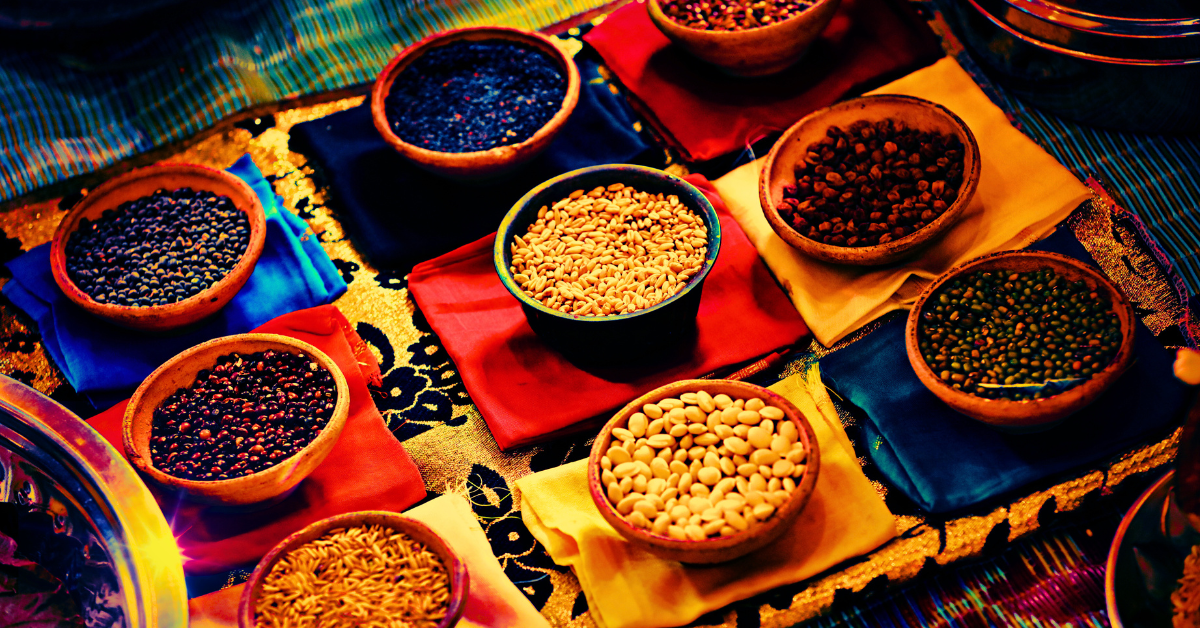
Here is the truth about lectins… What the hell is a Lectin? we hear you ask. Lectins also known as Hemagglutinins, are what is known as an anti nutrient that have gained a lot of attention in the fad diet industry and books that are citing lectins as a major cause of chronic inflammation, obesity and auto-immune diseases. Although lectins may sound like something out of a science lab, the shocking truth about lectins is that they are in many of the foods you may be eating on a daily basis. Some nutrition experts even claim they are the hidden culprit behind many health issues, whilst others argue they are harmless, and others claim they can even be beneficial.
So, lets blow the lid on this and discover the truth about lectins with the aim of finding out if they are the dietary villains they are made out to be and see if the shocking truth about lectins is true?
What Are Lectins?
Lectins are a type of protein that bind to carbohydrates that are found in all plant based foods. Their primary job in nature is defence. Lectins actually protect plants from pests and diseases. However, when consumed by humans, some lectins can bind to cell membranes, potentially leading to digestive discomfort, inflammation, and nutrient malabsorption. But before you start tossing out all your beans and grains, it’s important to note that not all lectins are the enemy — some may even come with potential benefits.
How Lectins Affect the Human Body
While many people consume foods containing lectins without any obvious immediate issues, high levels of lectins have been linked to several health concerns. When consumed, lectins in their active state can cause negative and nasty side effects.
The concerns are that the same features that lectins use to defend plants in nature, could potentially cause problems during human digestion, due to its ability to resist being broken down in the gut and its ability to remain stable in acidic environments.
So the pertinent question is, if lectins act as a protective mechanism for plants in nature, should it be something that we ingest and could it be attacking the human system?
Digestive Discomfort
Some lectins can interfere with nutrient absorption and cause symptoms like bloating, gas, and nausea. In severe cases, consuming undercooked lectin-rich foods (like raw kidney beans) can lead to food poisoning. (Source: Journal of Nutritional Science)
Leaky Gut Syndrome
Certain lectins can bind to the gut lining, potentially leading to increased intestinal permeability, also known as “leaky gut.” This condition is believed to contribute to inflammation and autoimmune responses. (Source: Frontiers in Immunology)
Autoimmune Disorders
Some researchers believe lectins have a direct role in triggering and/or worsening autoimmune conditions like rheumatoid arthritis, IBS irritable bowel syndrome, Hashimoto’s thyroiditis or lupus, lectins might be a trigger for flare-ups by promoting inflammation in the body.
Chronic Inflammation
Since lectins can activate the immune system, overconsumption may contribute to systemic inflammation, which is linked to diseases such as heart disease, diabetes, and even neurodegenerative disorders. (Source: Journal of Inflammation Research)
Nutrient Absorption Issues
Some lectins bind to essential minerals like calcium, iron, and zinc, preventing their absorption and potentially leading to deficiencies over time.
The Most Lectin-Rich Foods to Avoid
1. Legumes
- Beans (kidney beans, black beans, soybeans)
- Lentils
- Peanuts
Tip: Soaking and pressure cooking can reduce lectin content!
2. Nightshade Vegetables
- Tomatoes
- Potatoes
- Peppers (bell peppers, chilli peppers), aubergines
Tip: Some people are more sensitive to nightshades than others. If you have joint pain or digestive issues, consider reducing them.
3. Grains & Pseudo-Grains
- Wheat (including whole wheat)
- Quinoa
- Oats
Gluten and lectins often go hand in hand, making some grains harder to digest.
4. Dairy Products
- Milk containing A1 casein (common in conventional dairy)
- Soft cheeses
Tip: Switching to A2 dairy products may reduce lectin-related issues.
5. Seeds & Nuts
- Pumpkin seeds
- Sunflower seeds
- Cashews
Tip: Some nuts and seeds contain lectins, but roasting them can help reduce their effects.
Who Should Be Concerned About Lectins?
- Those with IBS or other digestive disorders
- People with autoimmune diseases
- Individuals experiencing chronic inflammation
Tip: If you feel consistently bloated or fatigued, lectins might be playing a role.
How to Reduce Lectins in Your Diet
If you’re concerned about lectins but don’t want to completely give up your favourite foods, don’t worry—there are ways to reduce their impact:
- Cooking Properly – Boiling, soaking, fermenting, and pressure cooking can significantly reduce lectin levels in foods. For example, cooking kidney beans at high temperatures destroys nearly all their lectin content.
- Sprouting Grains and Legumes – This process can break down lectins and make foods easier to digest.
- Fermentation – Fermenting foods (like sourdough bread or miso) helps break down lectins and improve gut health.
- Peeling and De-seeding – Many lectins are concentrated in the skin and seeds of fruits and vegetables, so removing these parts can help.
- Limiting High-Lectin Foods – If you have digestive issues or an autoimmune condition, you might consider reducing your intake of lectin-rich foods and seeing if your symptoms improve.
The Lectin-Free Diet: Is It Worth It?
Going completely lectin-free isn’t necessary for the vast majority of people, but reducing high-lectin foods can certainly improve digestion and reduce dreaded inflammation. It’s all about balance—experiment with what works, be mindful of you how body is communicating with you and how it reacts best for your body.
Common Myths About Lectins
1. “All Lectins Are Bad”
Not necessarily true! Some lectins, like those found in cooked beans, have beneficial properties.
2. “Cooking Doesn’t Remove Lectins”
Cooking, especially pressure cooking, eliminates most harmful lectins.
3. “Lectin-Free Diets Are the Only Way to Stay Healthy”
Many cultures thrive on high-lectin diets. Moderation and preparation methods matter more than total avoidance.
FAQs
1. Are all lectins harmful?
No, some lectins can have some benefits, like supporting immune function. The key is knowing which ones to limit.
2. Can lectins cause weight gain?
There’s no direct link, but they may contribute to inflammation and digestive issues that affect metabolism. As you may already know, a low metabolism is a factor for weight gain.
3. Is there a test for lectin sensitivity?
No official test exists, but an elimination diet can help determine sensitivity.
4. Do all beans have lectins?
Yes, but cooking significantly reduces their content.
5. Can cooking remove all lectins?
Pressure cooking is the best method to neutralise lectins.
6. Is a lectin-free diet necessary for good health?
Not for everyone! It depends on individual tolerance levels.
Conclusion
Lectins are neither pure evil nor a superfood miracle, so the shocking truth about lectins is not so shocking. While some people experience negative effects, others tolerate them just fine. The key takeaway? If you suspect lectins are causing digestive or inflammatory issues, experiment with reducing them and see how your body responds, the mind body connection is not to be dismissed, pay close attention to it. Balance and preparation methods are everything.
Scientific Sources
- WebMD Worst foods high in lectins
- NIH National Library of Medicine Do dietary lectins cause disease
- Harvard TH Chan The Nutrition Source Are Anti Nutrients Harmful
