

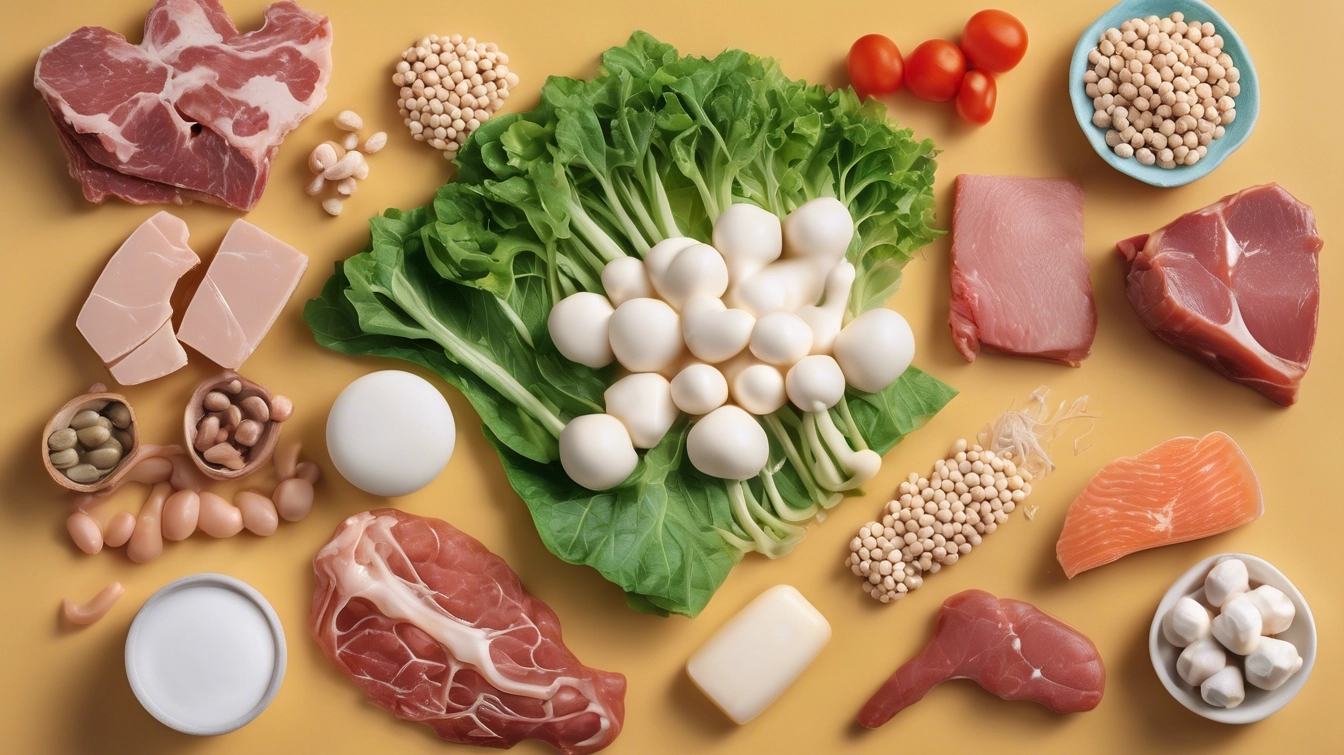
When you think of essential vitamins, the usual suspects such as Vitamin D, Vitamin C, or B12 are usually the first ones that spring to mind in people. But what about the importance of Vitamin K2? Despite being one of the most underrated nutrients, Vitamin K2 plays a crucial role in maintaining bone, cardiovascular, and metabolic health. Unfortunately, it’s also one of the most overlooked and commonly one of the most deficient nutrients in todays diets.
So lets get into it and discover;
- What Vitamin K2 is
- Why it is so vital
- The foods that contain it
- What happens if you do not get enough, and…
- How you can boost your levels naturally
Buckle up—this could be one of the most eye-opening health insights you read all year.
What is Vitamin K2
Vitamin K2, also known as menaquinone, is part of the larger Vitamin K family, which also includes Vitamin K1 (phylloquinone). While Vitamin K1 is primarily involved in blood clotting, Vitamin K2 plays a more specialized role in directing calcium to where your body needs it most—your bones and teeth—and keeping it away from places it doesn’t belong, like your arteries and kidneys.
There are several forms of K2, commonly referred to as MK-4 through MK-13, based on their molecular structure. The most researched forms are:
- MK-4: Found in animal products like meat, eggs, and dairy.
- MK-7: Found in fermented foods and has a longer half-life, making it more bioavailable.
Why Is Vitamin K2 So Important?
Vitamin K2 acts like a traffic director for calcium. You can take all the calcium and Vitamin D you want, but without adequate K2, that calcium might end up in the wrong places. And that’s where problems begin.
Here’s what Vitamin K2 is good for:
1. Bone Health
K2 activates osteocalcin, a protein that helps bind calcium to the bone matrix. Without it, calcium can’t effectively strengthen bones, leading to conditions like osteoporosis.
2. Heart Health
K2 activates matrix Gla protein (MGP), which prevents calcium from building up in the arteries. This is vital for preventing arterial calcification, which is a major risk factor for heart disease.
3. Dental Health
Osteocalcin is also found in teeth, helping with the mineralisation of enamel and dentin. K2 can be a game-changer for long-term oral health.
4. Kidney Health
By regulating calcium distribution, K2 helps reduce the risk of kidney stones and calcification in kidney tissues.
5. Insulin Sensitivity and Hormonal Balance
Emerging research links K2 to improved insulin sensitivity, which can help with blood sugar regulation. MK-4, in particular, may also play a role in testosterone production.
Signs and Risks of Vitamin K2 Deficiency
Most people don’t even realise they are deficient in Vitamin K2 because standard blood tests rarely test for it. But the long-term consequences of a K2 deficiency can be serious:
- Arterial calcification and increased risk of heart disease
- Bone fractures or reduced bone density
- Tooth decay and poor oral health
- Kidney stones
- Wrinkles and premature aging (yes, K2 even affects your skin’s elasticity)
Low K2 intake may be a silent contributor to many of the chronic diseases we associate with aging.
The Best Food Sources of Vitamin K2
Unfortunately, Vitamin K2 isn’t widely available in the average Western diet. It’s mostly found in fermented foods and organ meats—two categories that have fallen out of favor in modern nutrition.
Here are some of the best sources of Vitamin K2:
1. Natto (Fermented Soybeans)
Hands down, natto is the richest source of MK-7. Just one serving can contain up to 1,000 mcg of K2. Though it’s an acquired taste, it’s a powerful superfood.
2. Grass-Fed Dairy Products
Full-fat cheese, butter, and cream from grass-fed animals are excellent sources of MK-4.
3. Meat, Liver and Organ Meats
Meat such as chicken and beef contain K2 also beef liver, goose liver, and chicken liver are rich in MK-4.
4. Egg Yolks
Especially from pasture-raised hens, egg yolks offer a modest but beneficial amount of K2.
5. Fermented Cheeses
Hard cheeses like Parmesan, Pecorino, Gouda, Edam, and Brie are decent sources of K2 (MK-8 and MK-9).
6. Sauerkraut and Kimchi
While not as rich as natto, these fermented vegetables offer some K2, particularly if they are traditionally prepared and unpasteurised.
Who Is Most at Risk for Vitamin K2 Deficiency?
While everyone could benefit from more K2, certain groups are especially at risk:
- Vegans and vegetarians (K2 is mostly in animal products and fermented foods)
- People on statins or cholesterol-lowering drugs
- People on long-term antibiotics
- Those with gut health issues, like IBS or Crohn’s, who may struggle to convert K1 to K2
- Elderly individuals, who absorb nutrients less efficiently
Can You Get Enough K2 from Your Diet Alone?
The answer is: it depends.
If you eat a traditional diet rich in fermented foods, organ meats, and grass-fed dairy, you might be getting enough. However, the typical Western diet is sorely lacking in K2. That’s why many people turn to supplements, especially MK-7 supplements, which offer longer-lasting effects.
K2 vs. K1: What’s the Difference?
It’s easy to confuse Vitamin K1 with Vitamin K2, but they serve very different functions.
- K1 (phylloquinone) is found in leafy greens like spinach and kale. It helps with blood clotting.
- K2 (menaquinone) is found in animal and fermented foods. It regulates calcium metabolism, bone health, and cardiovascular function.
The issue with K1 is that it doesn’t convert into K2 in the body, so you cannot rely on leafy greens alone for optimal K2 levels.
How Much Vitamin K2 Do You Need?
There is no official RDA (Recommended Daily Allowance) for Vitamin K2, which complicates things. However, many functional medicine experts recommend:
- 90–120 mcg per day for general health
- 200–400 mcg per day for bone or cardiovascular support
MK-7 supplements typically come in doses ranging from 50 to 200 mcg per capsule, and they are best taken with food containing fat for better absorption.
Potential Side Effects and Interactions
Vitamin K2 is considered very safe, even at higher doses. But there are a few caveats:
- If you’re on blood thinners (like warfarin), always consult your doctor before taking K2, as it can interfere with your medication.
- Pregnant and breastfeeding women should consult their healthcare provider before starting any new supplement.
- Over-supplementation is rare but unnecessary, especially if you’re eating a varied diet and already supplementing with a multivitamin that contains K2.
Conclusion: Why You Should Start Paying Attention to Vitamin K2 Today
In a world obsessed with calcium, Vitamin D, and other “celebrity” nutrients, Vitamin K2 is the unsung hero that deserves a place in your daily health regimen. From strengthening bones and protecting your heart, to supporting oral health, hormones, and metabolic function, K2’s role in the body is multifaceted and critical.
If you’re not already consuming fermented foods, organ meats, or grass-fed dairy, chances are you’re not getting enough. Fortunately, K2 supplements—especially MK-7—can easily bridge the gap. The benefits far outweigh the risks, and boosting your intake could be a simple yet profound step toward better long-term health.
Start today—your bones, heart, and future self will thank you.
Scientific Sources
- WebMD Top Foods High in Vitamin K2
- NIH National Library of Medicine Pub Med The Medical Benefits of Vitamin K2 on Calcium-Related Disorders
- Medical News Today What to Know About Vitamin K2
